Eastern Montana Resource Council:
Working to protect hardworking Montanans
Montana Dakota Utilities (MDU) recently filed for a rate increase with the Montana Public Service Commission (PSC). This proposal increases rates for residential gas customers by 16.4%.
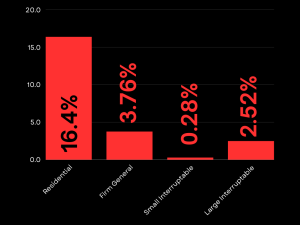
Why did MDU ask for a rate increase?
In a statement, MDU credited “investments in system upgrades and pipeline replacement projects enhancing the reliability, safety and integrity of the natural gas system, as well as increased costs to operate and maintain that system.”
History and Outcomes
Last year, MDU proposed a 19.2% electricity rate increase at the PSC. For a variety of reasons, we felt that this rate increase was unfair and greedy so Eastern Montana Resource Council members mobilized to fight it. In the end, the PSC voted to approve a 9.1% increase on a 3-2 vote. Commissioner Pinocci and Commissioner O’Donnell both voted “no” saying that the increase was still too high. Commissioners Brown, Fielder, and Bukacek all voted in favor of the increase.
Mythbusting
Myth #1: It doesn’t matter what they do, they are just going to get an increase anyway or they only wanted half all along.
This myth is partially true. MDU will likely get some sort of rate increase and, ultimately, they have made some increased investments in the system. However, the idea that pressuring the PSC and Consumer Counsel does not work is false. Let’s look at our neighbors on the opposite side of the state. They get their power from NorthWestern Energy. Last year, NorthWestern filed for a 24% residential increase. In the rate case, there was limited organizing and pressuring of the PSC. In the end, the PSC and the Consumer Counsel gave NorthWestern a 28% residential increase, 4% more than what they originally asked for. So even if we still felt 9% was too high for MDU, it saved eastern Montana communities $5 million a year from the initial proposal.
Myth #2: These increases are because government regulations make it hard for MDU to make a profit.
This myth is false. In fact, with a monopoly structure and no free market, it is the PSC’s lack of meaningful oversight that allows these increases to continue. MDU made record profits last year and its utility is bringing in record revenue. MDU is an investor-owned corporation. That means that its top priority is to make money for its shareholders. MDU’s CEO made $5 million dollars the same year that the electricity increase went into effect. MDU has paid a shareholder dividend for almost 80 years running. It is the PSC’s job to provide oversight of the utility and make prudent decisions to protect the consumer.
Myth #3: Shutting down coal plants is driving up natural gas rates.
Some folks believe that the removal of the Sidney Coal Plant from MDU’s portfolio is driving up prices, however MDU’s natural gas operations are not impacted by the sources of their electric generation. In addition, the impact of Sidney Coal Plant’s generation was and is negligible to the overall supply of the US natural gas market. We understand people’s frustration with the impacts of shutting down the plant, but in the case of this rate increase, corporate greed drives it.
How does a rate case work?
MDU operates as a monopoly in Montana and is regulated by the Montana Public Service Commission. We all benefit from having reliable electricity, so this structure has some legitimate benefits. The Public Service commission is made up of 5 elected officials who represent districts across the state. Randy Pinocci is the commissioner serving members of Eastern Montana Resource Council. The commission’s mission statement is “to balance the interests of ratepayers who are concerned about utility rate increases, with the need to maintain a financially sound utility that is capable of providing reliable service.”
When a utility like MDU wants to increase prices for its captive customers, it must submit a proposal to the PSC. After the proposal is submitted, concerned citizens and organizations can submit comments. The PSC then has a trial. The Montana Consumer Counsel is meant to represent ratepayers (us) in front of the PSC and protect our interests. The PSC then has nine months to make a ruling.
How to submit comments
- Tell the Consumer Counsel to do its job of protecting consumers by calling (406) 444-2771
- Submit a comment to the Public Service Commission by filling out the form below: